


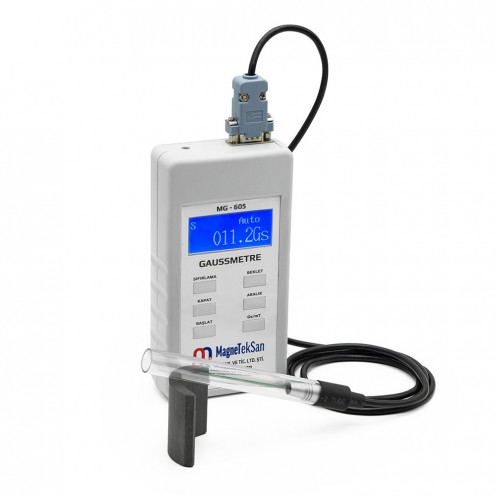
Model: MGK-DG-1
Digital Gaussmeter – Magnet and Electromagnet Measurement Device
The Digital Gaussmeter is a professional magnetic field measurement device designed t..
$975.00
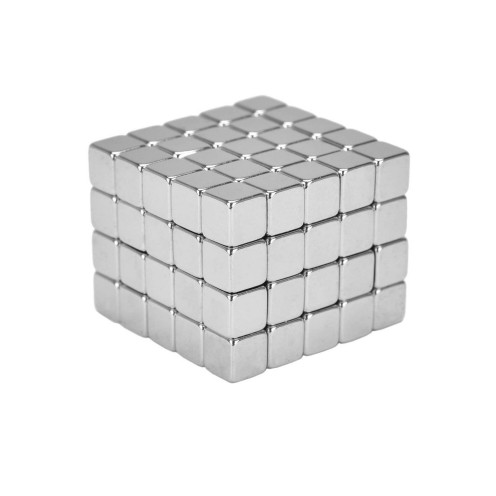
Model: MGK-NE-106
Cube Neodymium Magnet - Wood and Wall Board Hobby Magnet 5x5x5 mm
N35 neodymium cube magnet can be used to attach notes or photos to boards or panels...
$0.12
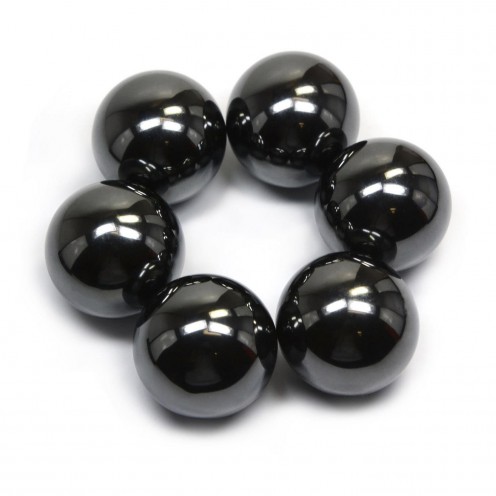
Model: MGK-HO-1
Stress Magnet, Sphere Ball Magnet
The stress magnet, which can be safely carried at home, at work, at school, has a diameter of 20 mm. This mag..
$0.28
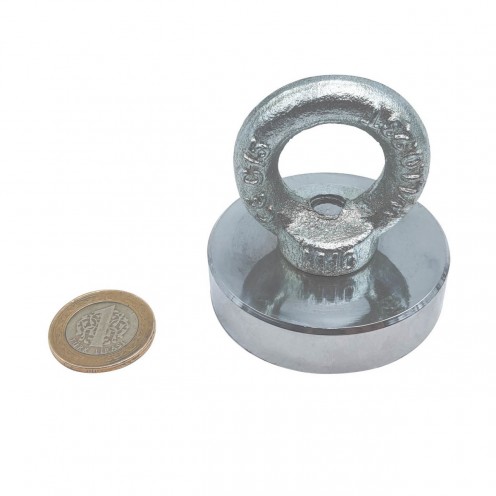
Model: MGK-BA-6
NOT: Kendi tesislerimizde üretilmekte olan Çin malı değildir. Verilen güç değerleri 0 hava basıncındaki gerçek test sonuçlarıdır ve ürünün maksimum gü..
$32.48
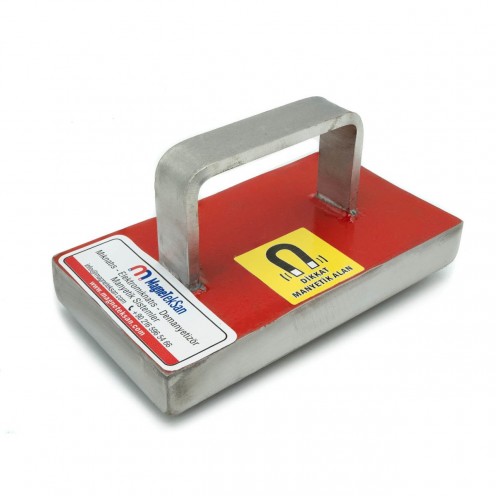
Model: MGK-HN-1
Scrap Removal and Transport Magnets
As Magneteksan, we manufacture scrap lifting and transport magnets in our own facilities. These magnets, which ar..
$149.98




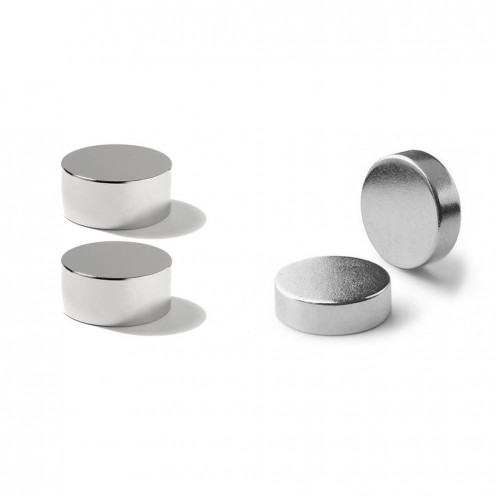
Magnetic License Plate – Customer Videos
Each order includes 4 magnets in total.
2 thin magnets are installed behind the license plate, and 2 thick ma..
$22.48
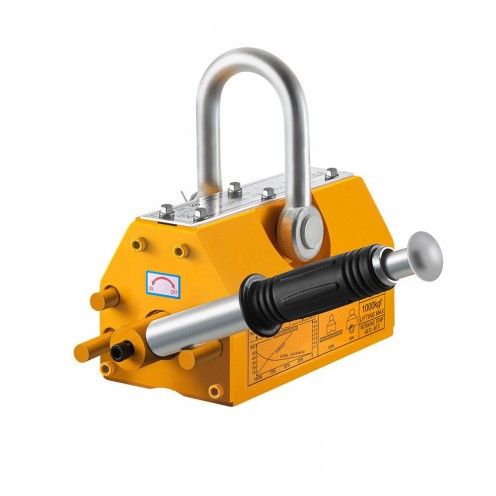
PML-1000 Kollu Manyetik Kaldıraç 1 Ton Güç - EN AZ 40 mm MALZEMEDE 1000 kg KALDIRIR.
Kollu manyetik taşıyıcı mıknatıs vinç veya benzeri cihazlara takı..
$587.50
Stress Magnet, Sphere Ball Magnet
The stress magnet, which can be safely carried at home, at work, at school, has a diameter of 20 mm. This mag..
$0.28

Metal Collector Magnet ManufacturingThis portable pull-and-drop hand magnet is a practical solution for metal collecting.Features:Ease of Use: Thanks ..
$212.50
Scrap Removal and Transport Magnets
As Magneteksan, we manufacture scrap lifting and transport magnets in our own facilities. These magnets, which ar..
$149.98
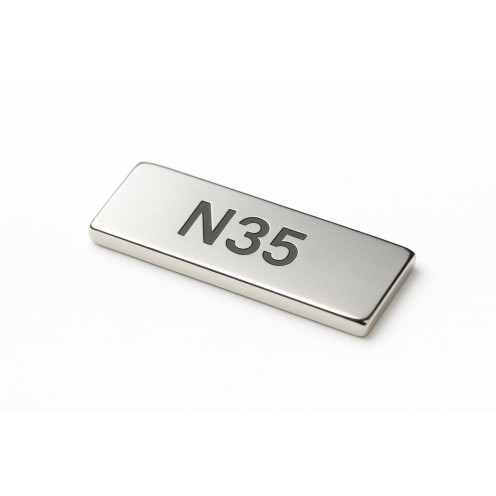
15 mm Diameter Neodymium Magnet Specifications
15x8x1.5 mm neodymium magnet is a super strong neodymium magnet with a length of 15 mm, a width of 8 mm..
$0.50
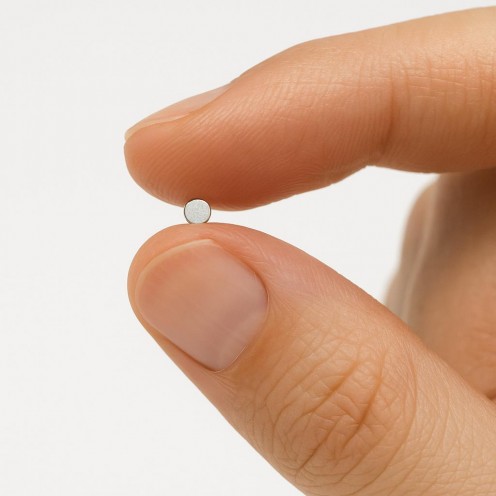
2 mm Diameter Neodymium Magnet
The 2 mm diameter neodymium magnet is coated with 1. quality nickel. Compared to zinc coatings, nickel is much more dur..
$0.08
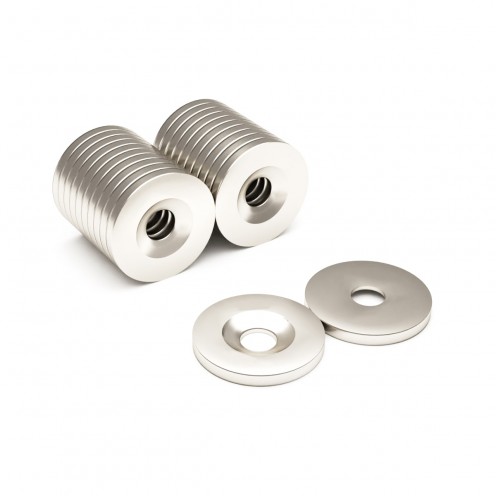
30 mm Diameter Countersunk Magnet Neodymium
Nickel-plated 30 mm neodymium magnet, which is a special size, is manufactured with a countersunk hole. T..
$3.98
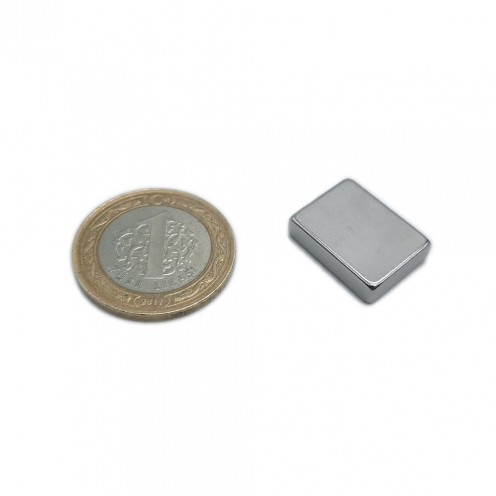
Door Magnet for Home, Caravan, Office, Car - 20x15x5 mm
Our domestically manufactured door magnet is perfect for homes, caravans, and off-road vehicle..
$2.12
h2 { font-size: 18px; }
p, ul { font-size: 16px; }
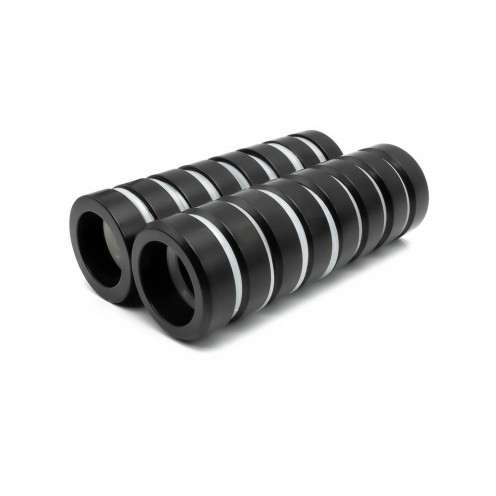
Epoxy Coated Neodymium Magnet - AdBlue and Liquid Resistant
Our specialized epoxy-coated magnets ..
$16.75
Hand Magnets
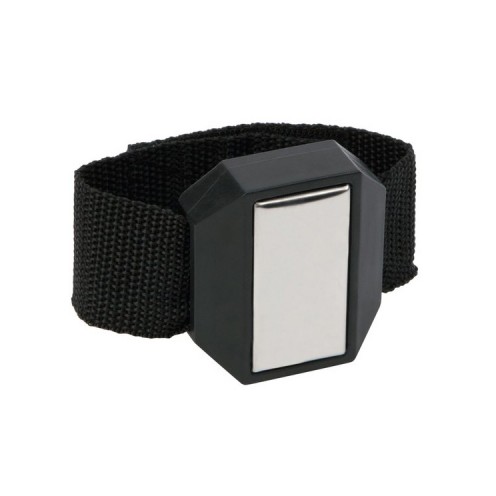
Magnetic Wrist Holder, Wrist MagnetThe magnetic wristband for tools and small parts has a comfortable use. With the magnetic wristband and screw holde..
$5.97
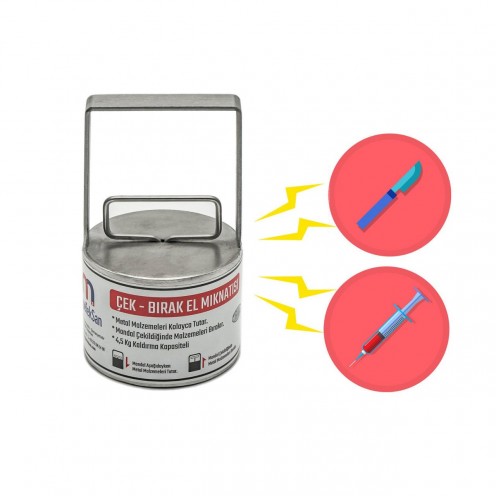
Portable Hospital Magnet, Scalpel and Syringe Collection Magnet
This check drop hand magnet collects metals that have increased after surgery or exami..
$147.50
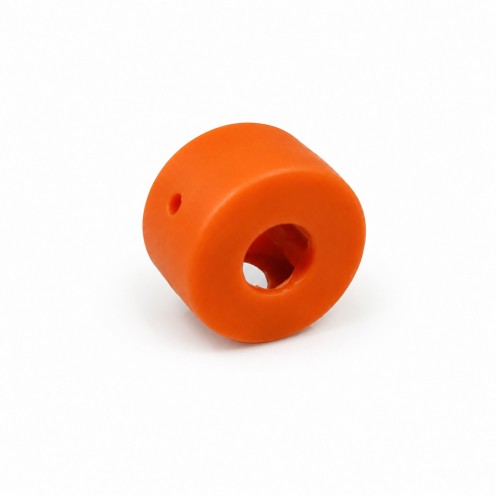
Screwdriver Bit Magnetic Screw Holder – Practical and Powerful Holding SolutionWith an outer diameter of 18 mm, an inner diameter of 7 mm, and a thick..
$0.00
Metal Collector Magnet ManufacturingThis portable pull-and-drop hand magnet is a practical solution for metal collecting.Features:Ease of Use: Thanks ..
$212.50
Scrap Removal and Transport Magnets
As Magneteksan, we manufacture scrap lifting and transport magnets in our own facilities. These magnets, which ar..
$149.98
On Sale
11% OFF
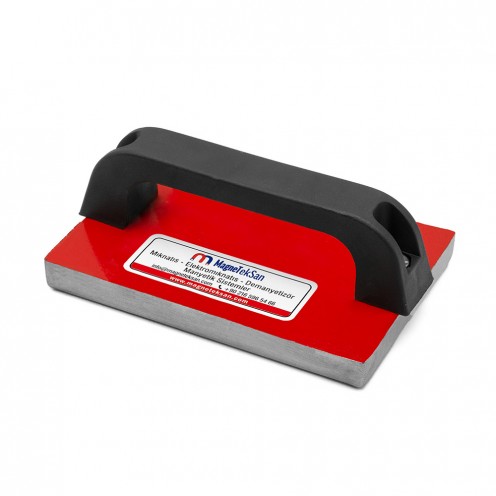
High-Performance Plate-Type Scrap Magnetic Grid - Industrial Metal Recovery Solution
A powerful 15 cm neodymium magnetic grid engineered for exceptio..
$187.48
$212.48
36% OFF
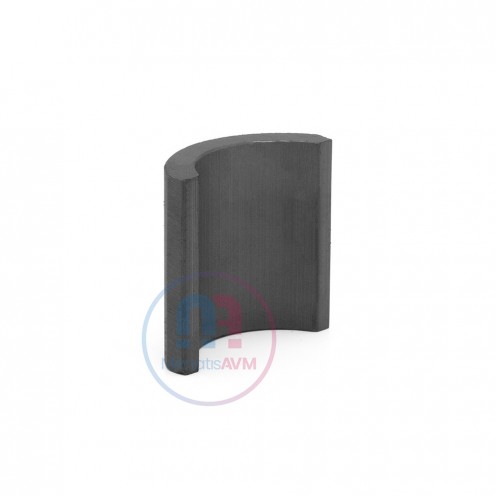
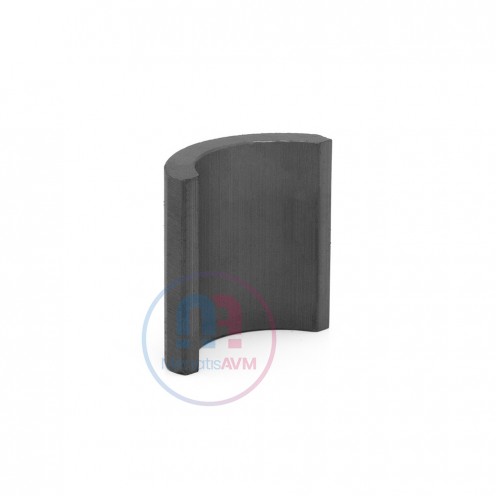
Y35 Ferrite Arc Magnet, Motor Magnet (Price per 1 Unit)
October 1, 2016 The ferrite arc magnet is obtained by mixing with small proportions of one or ..
$3.98
$6.23
New
36% OFF
What Is a Ferrite Arc Magnet?
A ferrite arc magnet is a ceramic-based type of magnet made from a high proportion of iron (III) oxide (Fe₂O₃), combined..
$3.98
$6.23
14% OFF
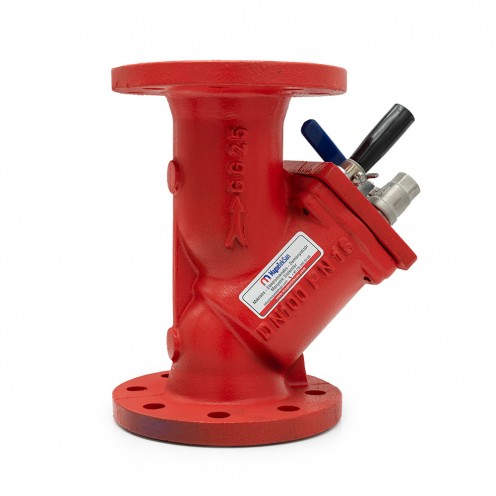
DN100 dirt catcher magnetic filter is designed to protect system equipment by capturing metal particles, chips and deposits circulating in plumbing an..
$787.50
$925.00
31% OFF
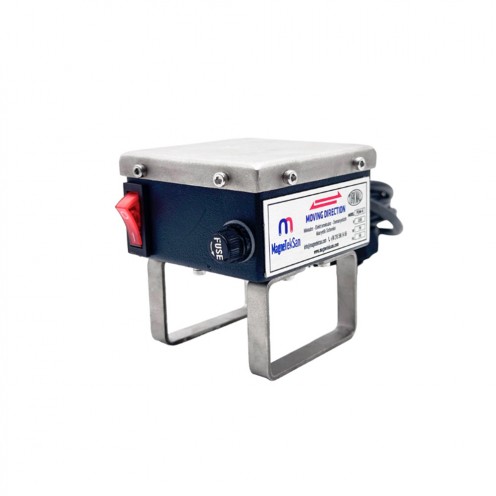
What is Demagnetization?
Demagnetization is the process of eliminating or reducing magnetic effects on a material.
Application Areas and Importance ..
$249.98
$362.50
New Products
New
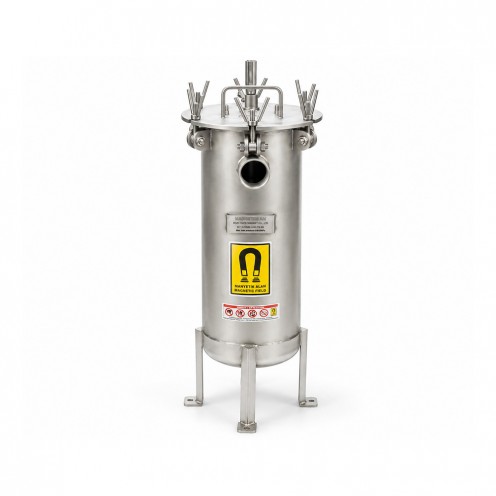
Neodymium Magnetic Filter for DN50 Pressurized Liquid Lines Our DN50 magnetic filters with 1 neodymium bar measuring Ø25x290 mm are manufactured by us..
$0.00
New
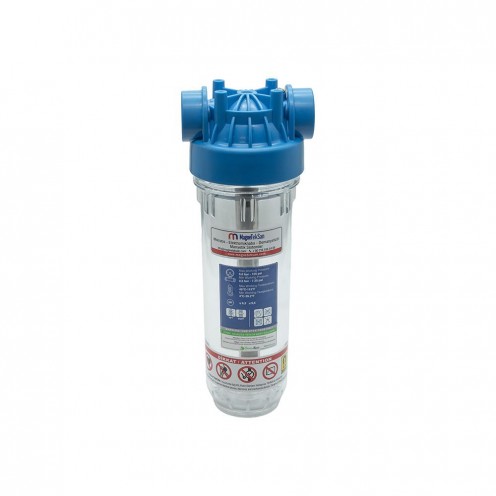
Petek Temizleme Mıknatısı - Neodyum Çubuk Mıknatıs
22 mm bar çapında 200 mm boyunda neodyum çubuk mıknatıslı petek temizleme mıknatısı sıvılardaki me..
$0.00
New
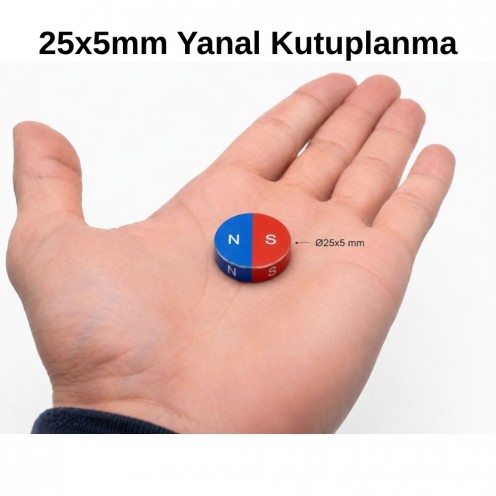
25 mm Diameter Neodymium Magnet - Lateral Pole25x5 mm special lateral pole neodymium magnet. The polarity is N-S on a 25 mm diameter surface, accordin..
$3.23
New
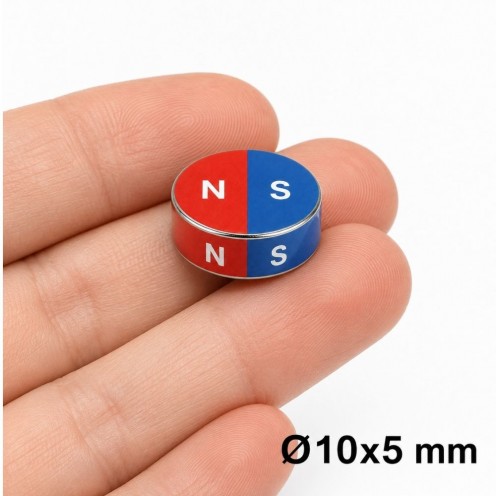
Ø10x5mm Neodymium Diametric/Diametric Magnetic Directional Magnet
This magnet has N and S poles on the surface, unlike standard 10x5mm magnets. When ..
$0.98
New
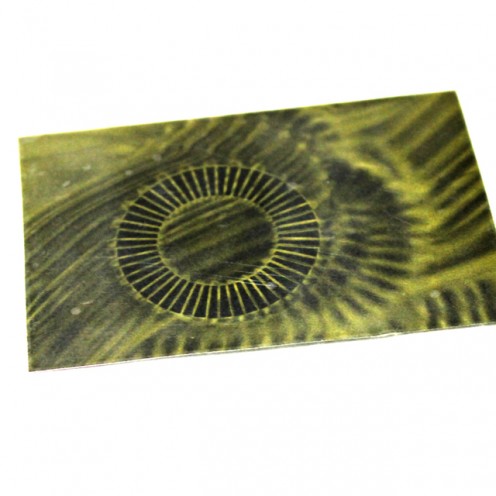
50x50mm Colorful Magnet X-ray
Thanks to the magnetic field imaging film, you can see the magnetic field lines that magnets have. Thanks to its colora..
$99.98
Ferrite Magnets
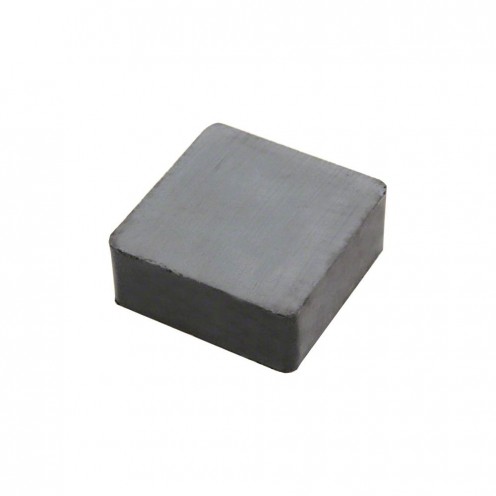
50x50x20 mm Y35 Ferrite Magnet
This rectangular ferrite magnet, measuring 50 mm (5 cm) in length, 50 mm (5 cm) in width, and 20 mm (2 cm) in thicknes..
$1.88
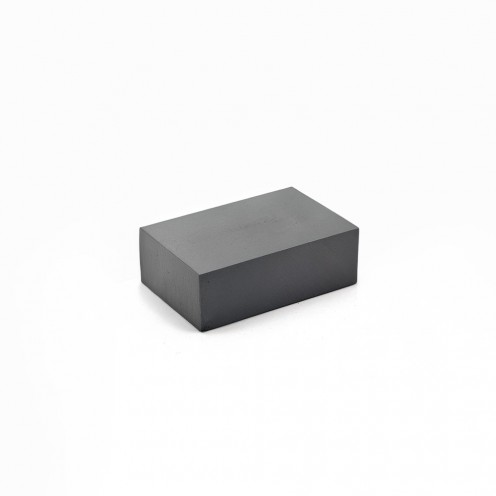
This ferrite magnet measuring 30x20x10 mm is made of Y35 quality ceramic material and attracts attention with its high temperature resistance and stab..
$0.62
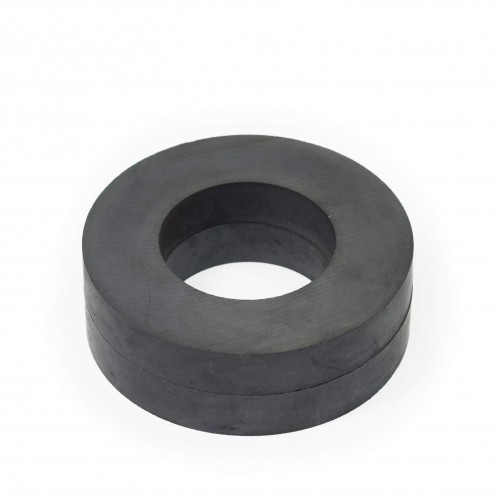
Ø35xØ18x6 mm Kömür Siyah Yuvarlak Halka Mıknatıs
35 mm çapında x 18 mm iç çapında x 6 mm kalınlığında olan yuvarlak halka fer..
$0.75
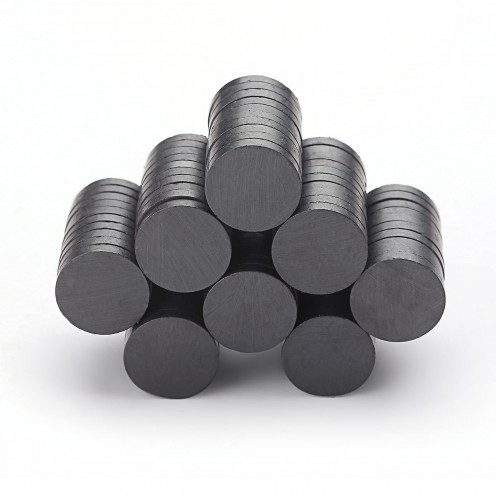
Ø17x3 mm Kömür Siyah Süsleme Mıknatısı
17 mm çapında x 3 mm kalınlığında olan yuvarlak ferrit mıknatıs süsleme amacıyla kullanılabilir...
$0.03
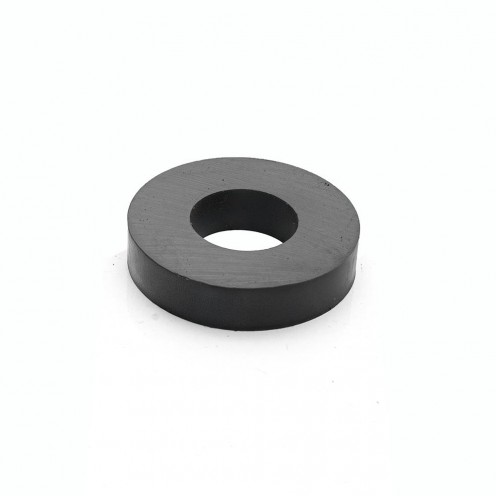
<p><font size="4"><strong>Ø70x32x10 mm Y35 Round Ring Magnet (1 Piece)</strong></font></p><p>Round ring ferr..
$3.73
Pot Magnets
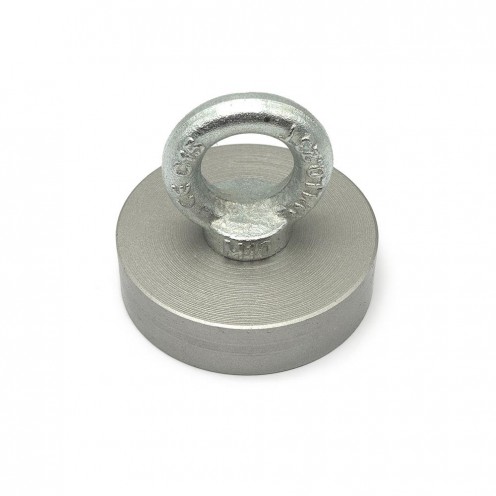
NOTE: Our pot magnets are manufactured in our own facilities and are not made in China. The power values provided are actual test results at 0 air p..
$49.97
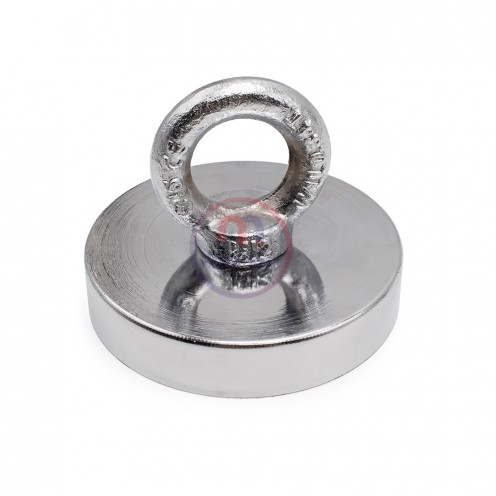
Marine Magnet with a Ring with a Diameter of 100 mm
The marine magnet you are examining allows you to collect iron and hydrocarbons by placing it in a..
$112.50
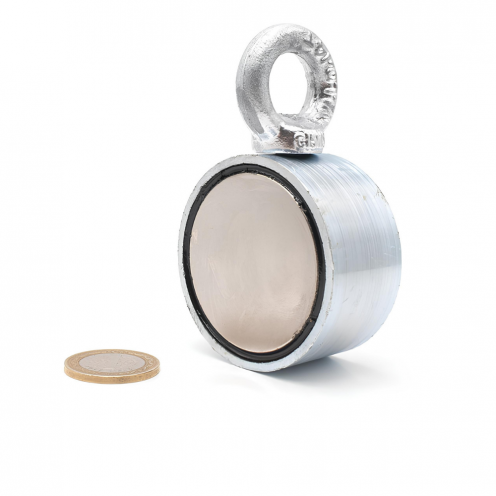
Double-Sided Fishing Magnet 360° Shooting, 150-200 kg of Shooting PowerDouble-Sided Fishing Magnet Double-Sided Fishing Magnet 360° Shooting, 150-200 ..
$72.50
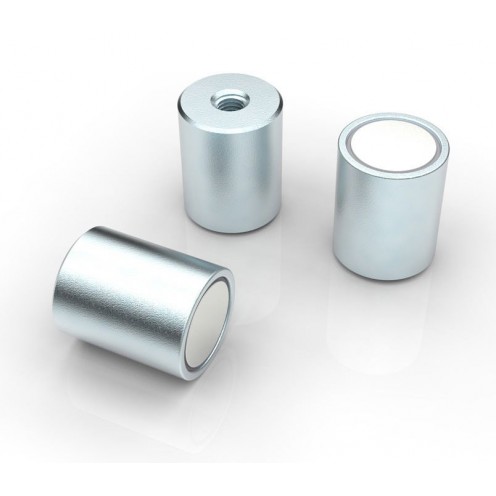
20x25 mm Cylindrical Pot Magnet with Female Bolt ConnectionThis bolt-on product is produced in the following catalog dimensions. However, you can cont..
$0.00
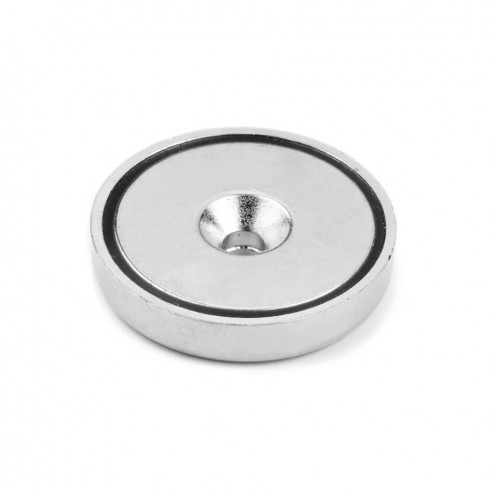
40 mm Neodymium Pot Magnet with Countersunk Hole - 25 kg PowerThis countersunk hole pot magnet has a diameter of 40 mm and is manufactured using neody..
$12.47

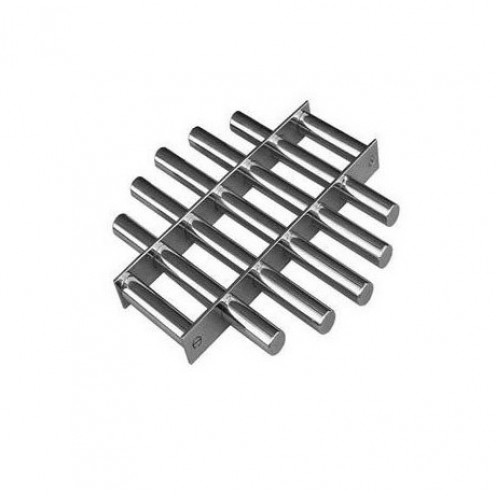
Neodymium Magnetic grid System - Specialized for Sugar IndustryAdvanced Specifications:- Premium stainless steel construction (AISI 304/316)- Superior..
$0.00
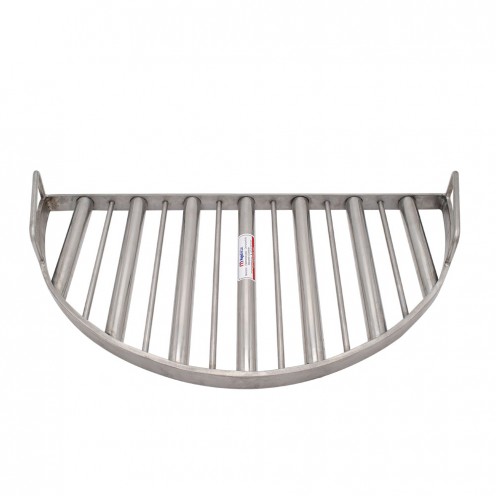
600mm Diameter Magnetic Grid Separator
Our food-grade magnetic grids are manufactured from stainless steel, ensuring food safety. We offer custom size..
$0.00
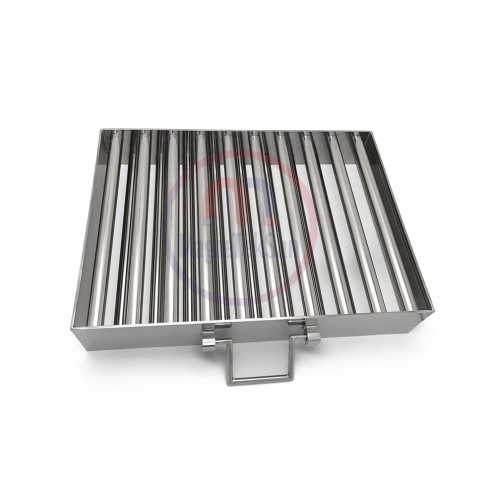
Magnetic Grid Separator Magnet, Gauss-Certified, Food-Grade, HygienicOur fully stainless, liquid-compatible, leak-proof 500x400 mm grid separato..
$0.00

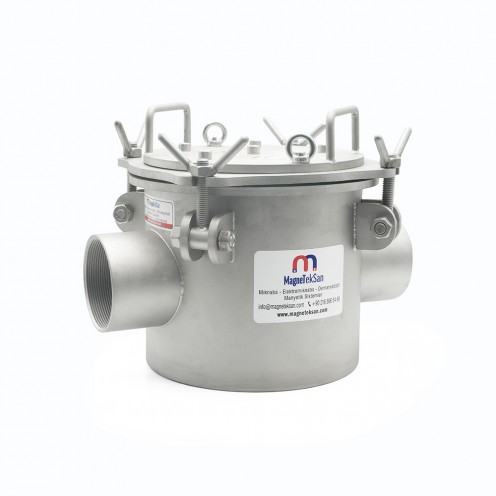
DN80 Ø32x200 mm Easy-to-Clean Cased Magnetic Grid
Our neodymium bar and magnetic grids are manufactured by us, and our company is based in Istanbul. T..
$0.00
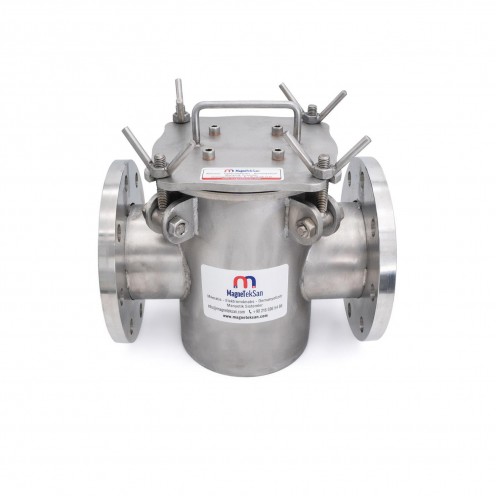
High-Temperature Resistant Stainless Steel Neodymium Magnetic Filter, SH Grade
While standard neodymium magnetic filters operate up to 80°C, this N35S..
$0.00
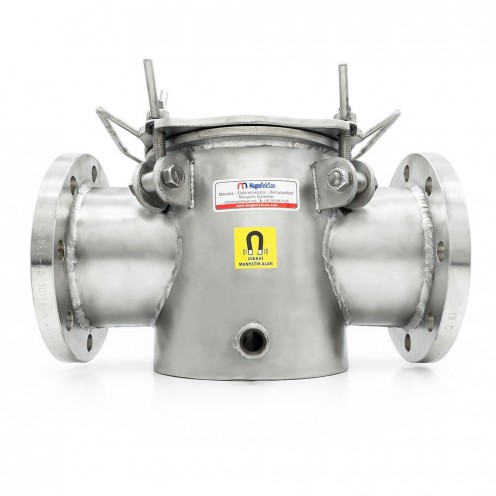
6-Bar - 10,000 Gauss Magnetic Filter on Stainless Steel Armor Surface
Magnetic filters with neodymium magnets can work up to a temperature of 80°C as ..
$0.00

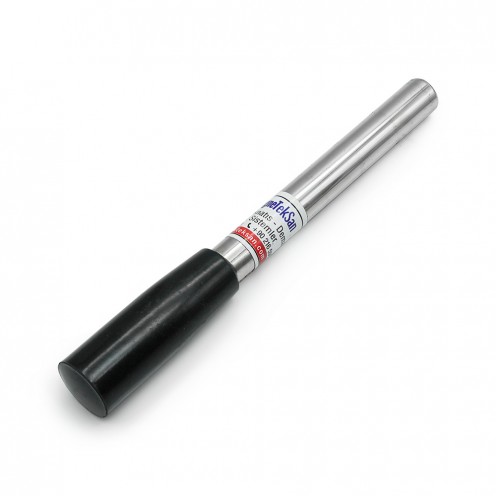
Custom-Size Bar Magnet with Bakelite Handle, 304 Stainless Steel
We customize bar magnet connections and thicknesses for perfect integration into your..
$106.25
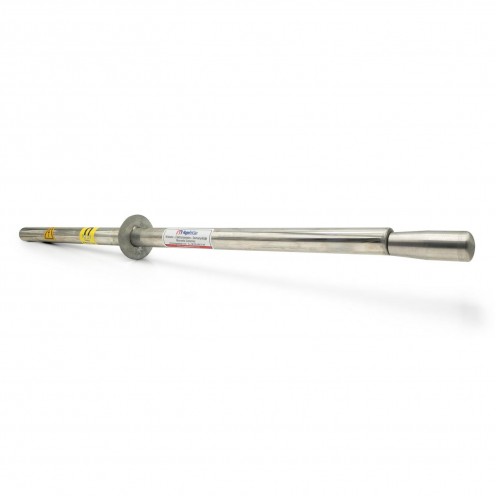
"Self-Cleaning Magnetic Rod System - Premium Stainless Steel Edition (25x650mm)Product Overview:Advanced self-cleaning neodymium magnetic separator de..
$0.00
New
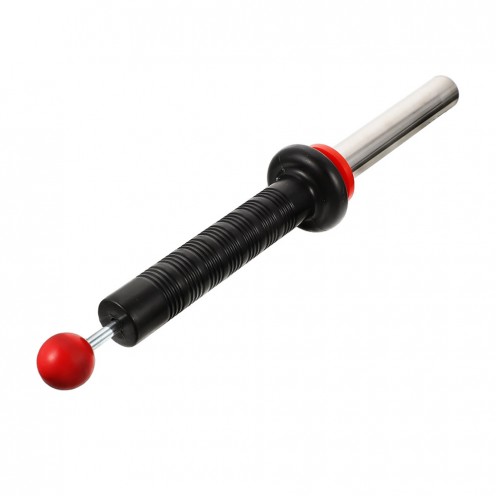
Extra-Coated - Easy-to-Clean Neodymium Rod Magnet
This rod magnet with a bar diameter of 25 mm is 300 mm long. Our magnetic bar magnets are usually u..
$0.00
Manyetik Sistemler
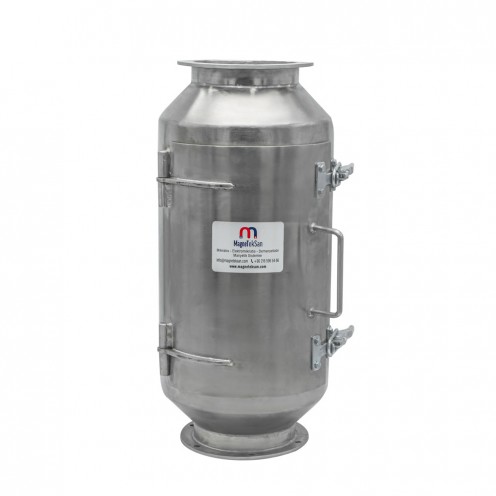
DN100 Neodyum Füze Mıknatıs – Bullet Magnet Özellikleri
İncelediğiniz neodyum füze mıknatıs manyetik seperatör DN100 boyutlarında giriş çıkı..
$0.00
Custom-Size Bar Magnet with Bakelite Handle, 304 Stainless Steel
We customize bar magnet connections and thicknesses for perfect integration into your..
$106.25
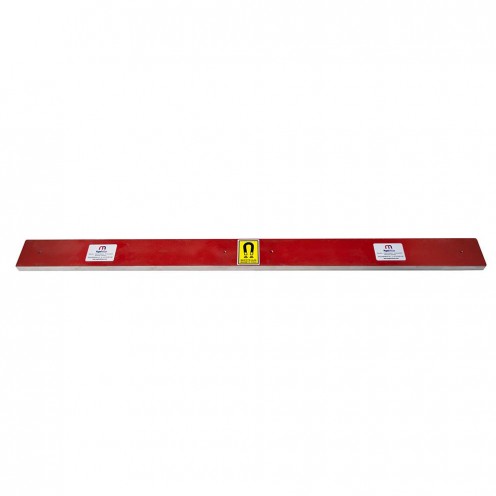
Over Conveyor Magnet Separator for Food CompaniesThis plate magnet with neodymium magnets is specially designed for use on conveyor belts with a lengt..
$0.00
Scrap Removal and Transport Magnets
As Magneteksan, we manufacture scrap lifting and transport magnets in our own facilities. These magnets, which ar..
$149.98
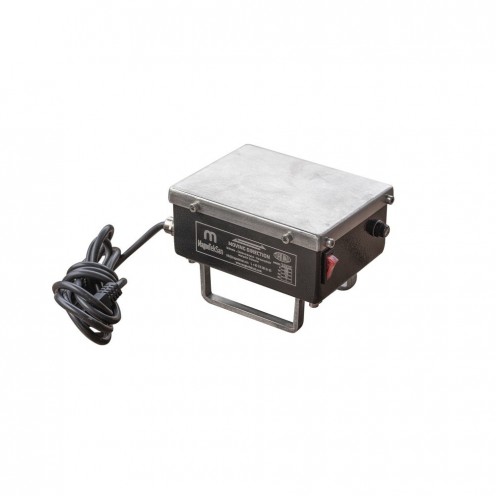
29% OFF
What is Demagnetization?
Demagnetization is the process of removing or reducing magnetic effects on a material.
Application Areas and Importance
In p..
$350.00
$500.00
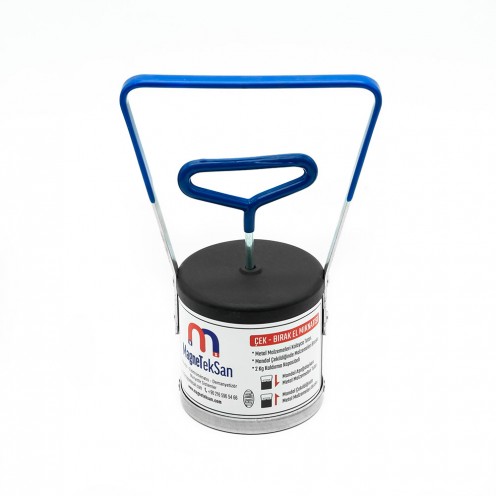
Portable Metal Collector Magnet – Ferrite Pick-Up Tool – Ø90 mm – Length 220 mm – Manual Release Magnetic Sweeper
This portable magnetic pick-up tool ..
$37.48
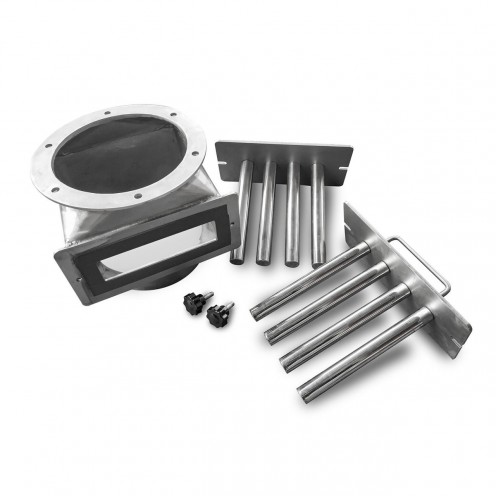
DN200 Sleeve Type Magnetic grid Separator - Heat Resistant up to 150°COur locally manufactured DN200 magnetic separator features a double-walled stain..
$0.00
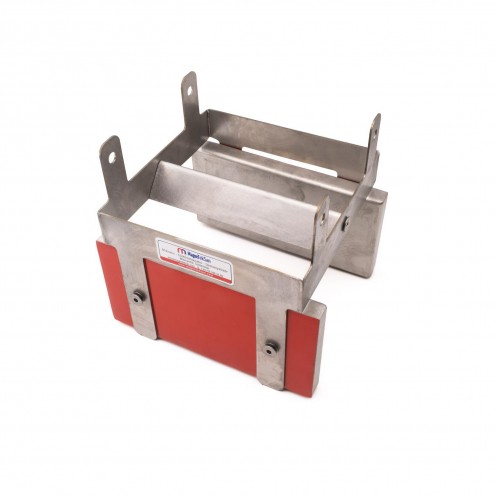
Where is Twin Plate Magnet Neodymium Used?Plate magnet, also known as sheet magnet, is generally used by food companies. This twin plate magnet is sui..
$0.00
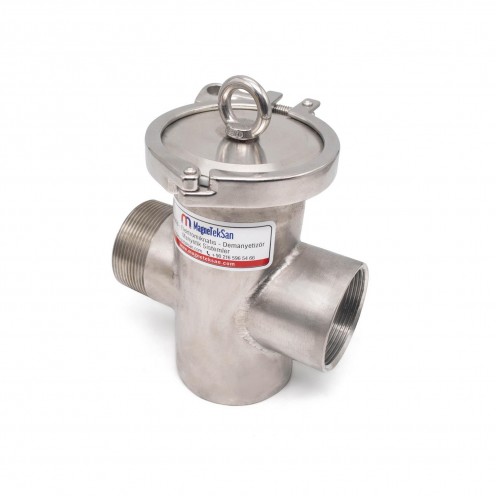
DN50 - 2” Inlet Outlet Magnetic Filter with Nipple and Sleeve FeaturesOur magnetic filters are designed to remove metal particles and dust from your p..
$0.00
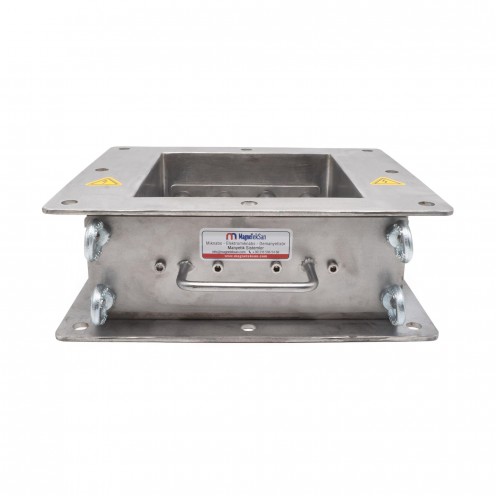
Drawer Sleeve Type Magnetic Separator for Granulated Sugar Factories - BRC and HACCP Food Compliance CertifiedThis drawer barrel type magnetic separat..
$0.00